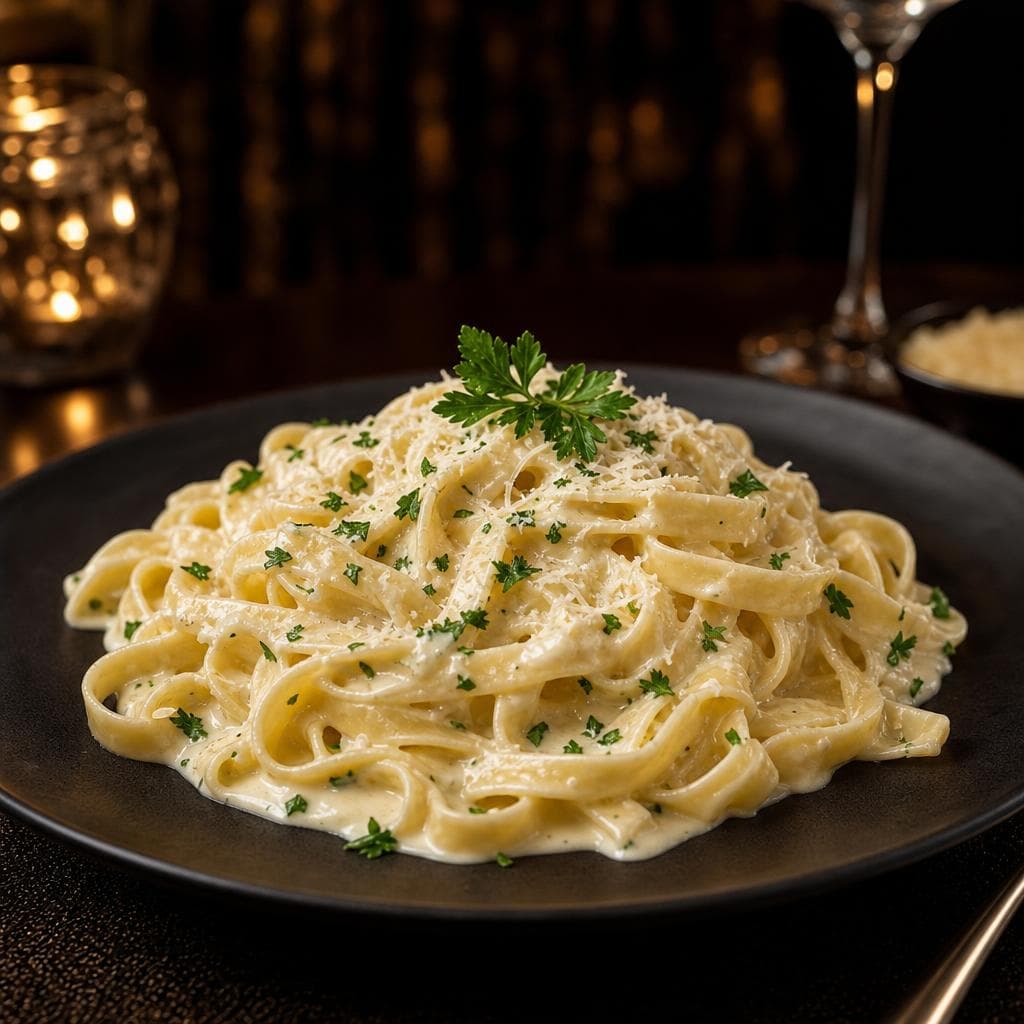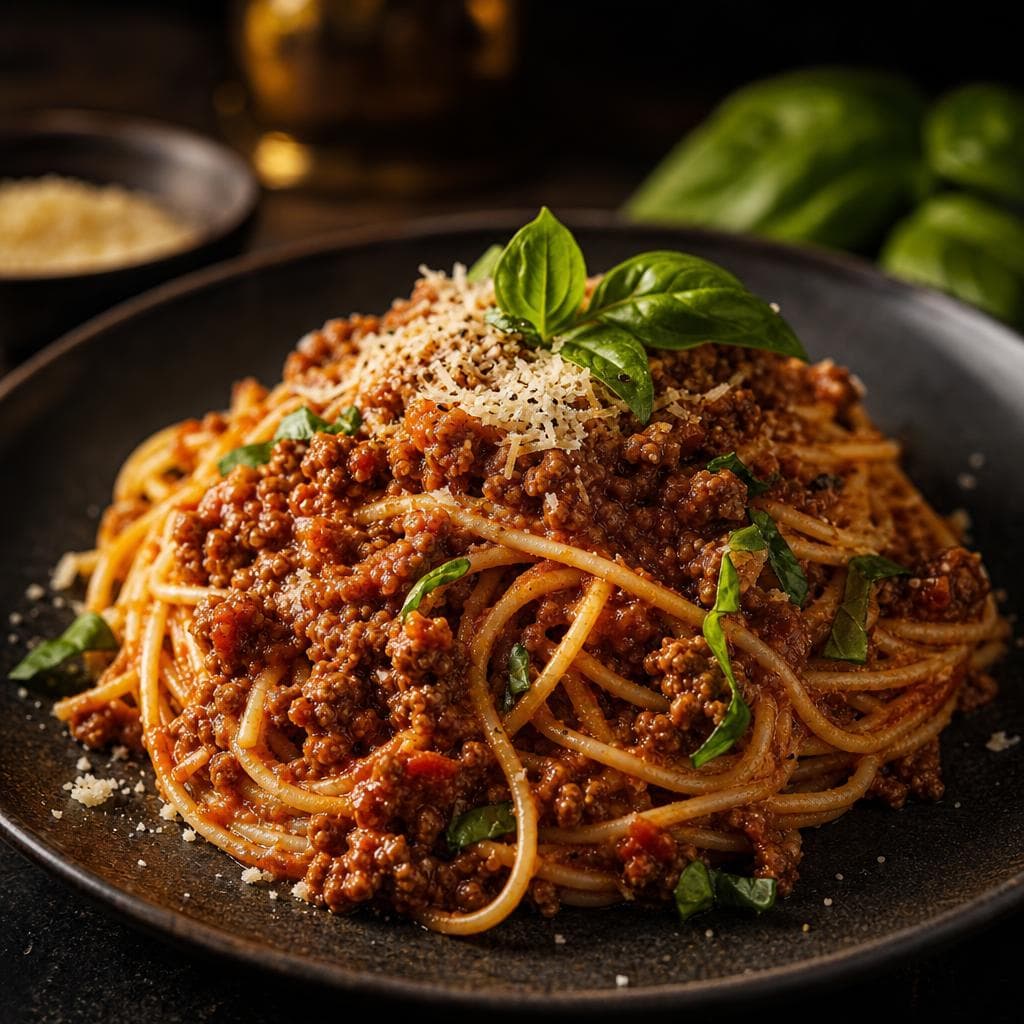
Spaghetti Bolognese - beautifully plated pasta dish

Spaghetti Bolognese

Rich, slow-simmered meat sauce with a soffritto base, San Marzano tomatoes, and a splash of milk for silkiness. Worth every minute.

Prep Time

15 min

Cook Time

90 min

Servings

6

Calories

480

Ingredients

  • 400 g pasta (your choice of shape)
  • 2 tbsp extra-virgin olive oil
  • 3 cloves garlic, minced
  • 1 medium onion, diced
  • 0.5 tsp salt
  • 0.25 tsp freshly ground black pepper

Instructions

  1. 1

    Cook the Pasta

    Bring a large pot of salted water to a rolling boil. Cook pasta according to package directions until al dente. Reserve 1 cup of pasta water before draining.

  2. 2

    Prepare the Base

    While pasta cooks, heat olive oil in a large skillet over medium heat. Add garlic and cook until fragrant, about 30 seconds.

  3. 3

    Build the Sauce

    Add the main sauce ingredients to the skillet and cook, stirring occasionally, until the flavours meld together, about 3-5 minutes.

  4. 4

    Combine

    Add the drained pasta to the sauce and toss vigorously, adding pasta water as needed to achieve a silky consistency that coats every strand.

  5. 5

    Serve

    Plate immediately and garnish with fresh herbs and freshly grated cheese. Serve hot with crusty bread on the side.

Chef's Notes

I always finish cooking my pasta in the sauce for the last 60 seconds — it absorbs flavour and the starch helps bind everything together.

Chef Luca Bianchi

About This Recipe

There's something quietly revolutionary about a bolognese that takes ninety minutes on the stove. What starts as humble ingredients — onions, garlic, a bit of olive oil, and tomatoes — slowly collapses into something much more complex. The trick in my kitchen has been the splash of milk: it tames the tomato's sharp edges and leaves behind a velvety richness that clings to every strand of spaghetti.

This is the kind of dish I pull out when I want to feel genuinely fed. Sunday dinners, late autumn suppers, moments when the house needs to smell like comfort. Canadian families have embraced it for decades because it rewards patience — you get back far more than the time invested.

Tips for the Best Spaghetti Bolognese

Réservez cette eau de cuisson avant d'égoutter les pâtes — c'est la chose la plus importante que vous ferez. Finissez les spaghetti directement dans la sauce pendant la dernière minute de cuisson ; mélangez vigoureusement avec deux cuillères à soupe d'eau amilacée pour créer une émulsion brillante qui adhère vraiment aux nouilles au lieu de se déposer au fond du bol.

What to Serve With It

Servez-le droit du faitout avec une bonne pluie de Parmigiano-Reggiano et le persil frais que vous avez sous la main. Un accompagnement de légumes racines rôtis glacés au miel s'accorde bien avec la richesse, et une miche de pain italien croustillant d'un boulanger local permet à tout le monde de savourer chaque goutte.

Storage & Reheating

Laissez refroidir complètement, puis transférez dans des contenants hermétiques au réfrigérateur pour jusqu'à quatre jours. Réchauffez doucement à la poêle avec un peu d'eau — le micro-ondes a tendance à l'assécher. Congelez des portions pour trois mois dans des contenants adaptés ou des sacs de congélation aplatis ; décongeler la veille au réfrigérateur avant de réchauffer.
Nutrition Facts

480

cal

30g

Protein

17g

Fat

55g

Carbs

8g

Fiber

639mg

Sodium

Frequently Asked Questions

Why does the recipe call for milk in a tomato-based sauce?+

Milk softens the tomato's acidity and adds silkiness. The proteins and fat create a richer mouthfeel without making the sauce heavy. You only need a small splash — it disappears into the sauce as it simmers.

Should I brown the garlic before adding the onions?+

No. Garlic burns easily and turns bitter. Add it briefly to the oil to release its aroma, then layer in the onions. You want golden, not brown.

My bolognese seems too thick after simmering. Is that normal?+

Absolutely — ninety minutes will reduce the liquid significantly. That's the point. The milk you add later will loosen it slightly, and the reserved pasta water will adjust the consistency when you finish the pasta in the pan.

Can I add the milk at the beginning instead of near the end?+

Yes, though it's best added toward the end of cooking. Milk left to simmer for ninety minutes can separate. Add it in the last ten minutes for the silkiest result.

What kind of cheese works best on top?+

Parmigiano-Reggiano is classic, but Pecorino Romano adds a sharper bite. A mix of both gives you depth and bite. Freshly grated — never the pre-shredded stuff — melts properly into the hot pasta.

Tips & Tricks

  • Always salt your pasta water generously — it should taste like the sea.
  • Reserve a cup of starchy pasta water before draining. It's liquid gold for emulsifying sauces.
  • Cook pasta 1 minute less than the package says if finishing it in the sauce.

Reviews (4)

Jennifer K.★★★★★

This is now our go-to weeknight dinner. Ready in under 30 minutes and tastes like it took hours. My kids ask for seconds every time.

André G.★★★★★

Comme au restaurant! La sauce est onctueuse et les pâtes parfaitement al dente. Bravo pour cette recette.

Chantal D.★★★★★

Facile à préparer et tellement bon! Même mes enfants difficiles ont vidé leur assiette. Je recommande fortement.

Pierre T.★★★★★

Excellente recette! J'ai suivi les instructions à la lettre et le résultat était parfait. Ma femme a adoré.